



2026 Section 179 Vehicle Deduction List: Complete Qualification Guide
Key Takeaways
- Maximize Your Small Business Tax Savings: The 2026 Section 179 vehicle deduction allows eligible small business owners to deduct up to 100% of the purchase price for qualifying cars, trucks, and SUVs used primarily for business
- Understand GVWR Categories and Limits: Deduction limits are based on Gross Vehicle Weight Rating (GVWR). Light vehicles (under 6,000 lbs) have a $12,200 limit, heavy vehicles (6,000-14,000 lbs) have a $31,300 limit, and vehicles over 14,000 lbs or modified for nonpersonal use have no Section 179 limit
- Combine with Bonus Depreciation: For 2026, business owners can often combine the Section 179 deduction with 100% bonus depreciation for heavy vehicles, significantly increasing their first-year tax savings
- Business Use Requirement: To qualify for any Section 179 vehicle deduction, the automobile must be used more than 50% of the time for business purposes, and deductions are prorated based on the actual percentage of business use
The 2026 Section 179 vehicle deduction allows small business owners to deduct up to 100% of qualifying vehicle costs. This comprehensive Section 179 vehicle list guide explains which trucks, SUVs, cars, and other vehicles qualify for this business vehicle tax deduction. This article will help small business owners learn about the 6,000-pound vehicle tax deduction threshold, Section 179 deduction limitations, and other crucial information. The bottom line is, carefully leveraging the Section 179 deduction for your work vehicles can bring tax benefits that may reduce your tax burden by thousands of dollars.
Block Advisors is here to help you understand if your car, truck, or other automobile made the Section 179 vehicle list for 2026. This guide will also explain a few important changes to the guidelines around Section 179 vehicles for your 2027 taxes. Continue reading to learn what qualifies for the full Section 179 vehicle deduction in 2026.
What is Section 179 ?

As a small business owner, you can often use self-employed tax deductions to lower your tax burden. IRS Section 179 is one such deduction that both businesses and self-employed individuals can take advantage of. It covers many types of property as a deductible expense, including vehicles. However, not all types of vehicles qualify.
The Section 179 tax deduction allows eligible businesses to deduct the cost of machinery and qualifying equipment when filing their taxes. This could be office furniture, technology, supplies, and other tangible items. YES – this includes business vehicles!
Which vehicles qualify for Section 179 in 2026
Autos may be passenger vehicles, heavy SUVs, trucks, and vans that are purchased and put into use in the same year. A Section 179 tax deduction covers new vehicles as well as pre-owned vehicles. However, the vehicle must be utilized more than 50% of the time for business purposes.
Even if you use your vehicle partially for personal use, you may be able to take advantage of Section 179 tax savings. However, there are a few limitations placed on Section 179 vehicles, as outlined in the next section.
Get details on Section 179 Expensing and what qualifies for bonus depreciation for other types of tangible property.
Have questions about Section 179 expensing?
Talk with our Small Business-Certified experts in person or online
Section 179 Vehicle Deduction Limits by GVWR Category
The Internal Revenue Service (IRS) breaks down the list of vehicles that qualify for Section 179 deduction into three primary groups: Light, Heavy, and Other. The allowable deduction differs for each group and may be increased annually by the IRS to account for inflation. This post will cover specifically Section 179 vehicles for 2026.
Light Section 179 vehicles
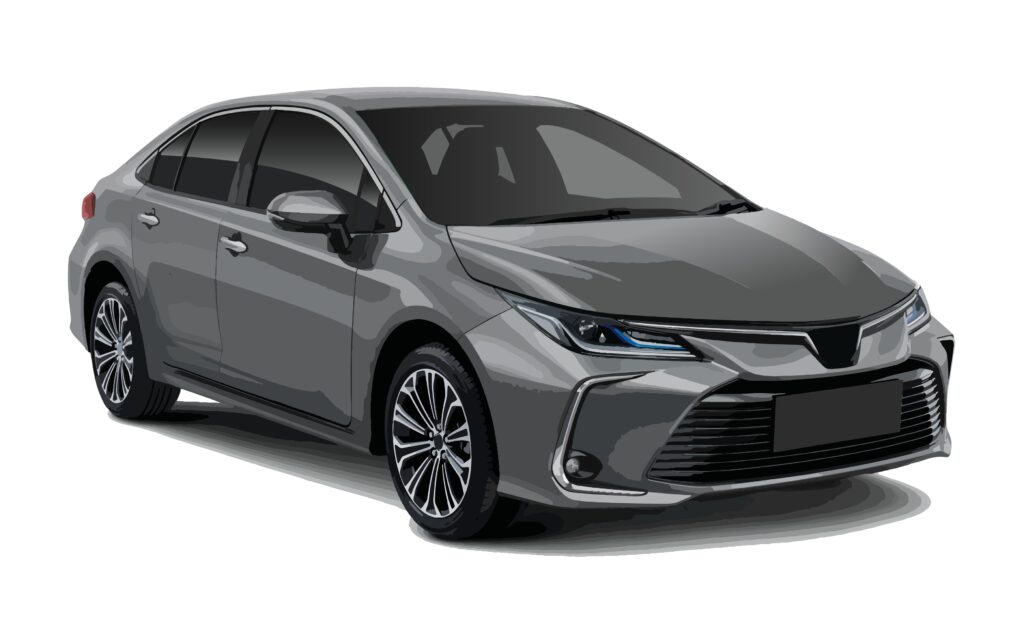
- Any vehicle with a manufacturer’s gross vehicle weight rating (GVWR) under 6,000 pounds (3 tons).
- This includes many passenger cars, crossover SUVs, and small utility trucks such as:
- Toyota Corolla (GVWR: ~3,900-4,300 lbs)
- Honda CR-V (GVWR: ~4,300-4,700 lbs)
- Nissan Sentra (GVWR: ~2,800-3,100 lbs)
- Kia Sportage (GVWR: ~4,200-4,400 lbs)
For 2026, these autos have a Section 179 tax deduction limit of $12,200 in the first year they are used. In fact, if the extra $8,000 of Bonus Depreciation is also factored in, you can deduct up to a combined maximum first year deduction of $20,200 for 2026.
Heavy Section 179 vehicles
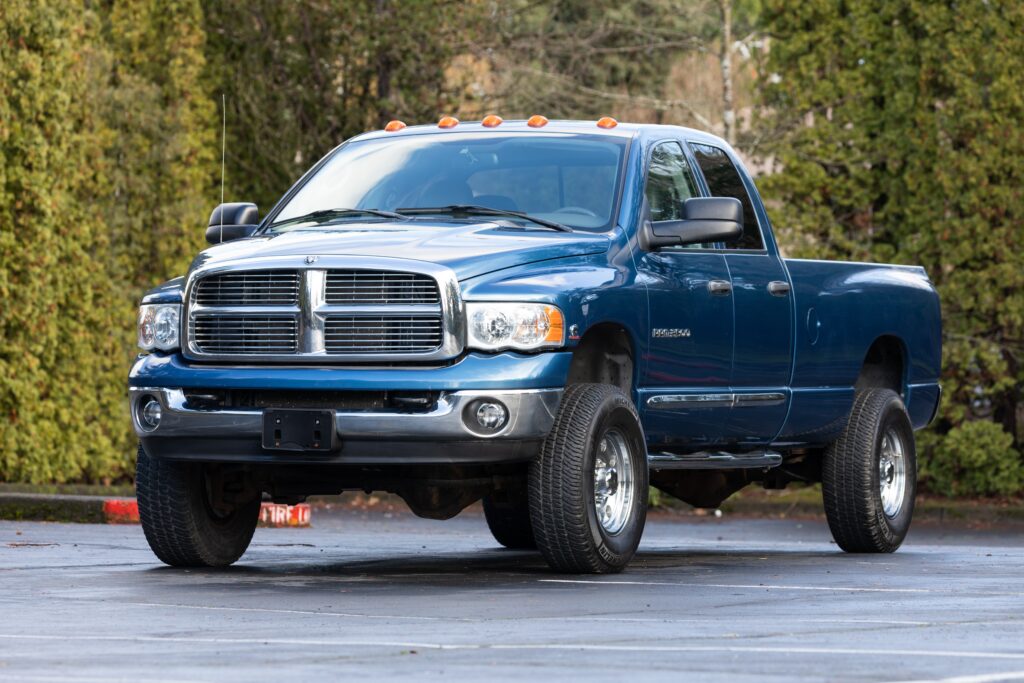
- Any vehicle with at least 6,000 pounds GVWR but no more than 14,000 pounds (3 to 7 tons).
- The 6,000-pound vehicle tax deduction includes many full-size SUVs, commercial vans, and pickup trucks such as:
- Ford F-150 (GVWR: 6,010-7,850 lbs)
- Chevrolet Silverado 1500 (GVWR: 6,800-7,100 lbs)
- GMC Yukon (GVWR: 7,300 lbs)
- Toyota Tundra (GVWR: 7,200-7,800 lbs)
For 2026, eligible vehicles in the “heavy” category have a Section 179 tax deduction limit of $31,300. However, due to changes in the One Big Beautiful Bill Act, these autos are eligible for 100% bonus depreciation starting January 19, 2025. This replaces the previous phaseout plan that would have limited 2025 bonus depreciation to 40%.
Other Section 179 vehicles

Any vehicle with a GVWR over 14,000 pounds (7 tons) OR a vehicle modified for nonpersonal use. Specifically:
- Shuttle vehicles having more than nine passengers behind the driver’s seat
- Delivery vans having a cargo area of at least six feet in interior length not easily accessible from the passenger area
- Vehicles with an integral enclosure fully enclosing the driver compartment and load-carrying device, no seating behind the driver, and no portion of the body extending more than 30 inches beyond the windshield.
- This can also include autos such as ambulances, work trucks, hearses, etc.
For 2026, any vehicle meeting the above weight or modification guidelines is not subject to an IRS Section 179 deduction limitation. You may deduct up to 100% of the cost of any vehicle in this category.
| Vehicle Category | GVWR | 2025 Deduction Limit | Examples |
| Light Vehicles | Under 6,000 lbs | $12,200 Section 179 deduction + $8,000 bonus depreciation | Honda Civic, Toyota Camry, etc. |
| Heavy Vehicles | 6,000-14,000 lbs | $31,300 Section 179 deduction + 100% bonus depreciation | Ford F-150, Chevy Tahoe, etc. |
| Other Vehicles | Over 14,000 lbs OR modified for nonpersonal use | No limit – 100% Section 179 deduction | Sprinter Van, Hearse, Food truck, etc. |
Section 179 vehicle tax deduction vehicle: An example
To illustrate how you may leverage a Section 179 vehicle to reduce your tax burden, consider the following example:
- Janine purchased a new $55,000 truck on April 26 of this year.
- She immediately put the vehicle into use the next day.
- She uses the truck solely to transport materials for her small roofing business.
- The truck has a GVWR of 8,000 pounds.
Janine purchased her new pickup and put it into use in the same year. It is used 100% of the time for business activities. According to its GVWR, the auto is a “heavy” vehicle under Section 179.
Janine is in luck! Her vehicle checks all the necessary boxes.
She could take the full Section 179 tax deduction for heavy vehicles up to the limit. However, as mentioned above, she may also elect to take the 100% bonus depreciation for the remaining cost or in lieu of Section 179, which would cover more of the cost of the vehicle. All in all, this would cover the full $55,000 cost.
Need help determining your Section 179 deduction?
Block Advisors Small Business Certified Tax Pros have your back.
Where to find your vehicle’s GVWR
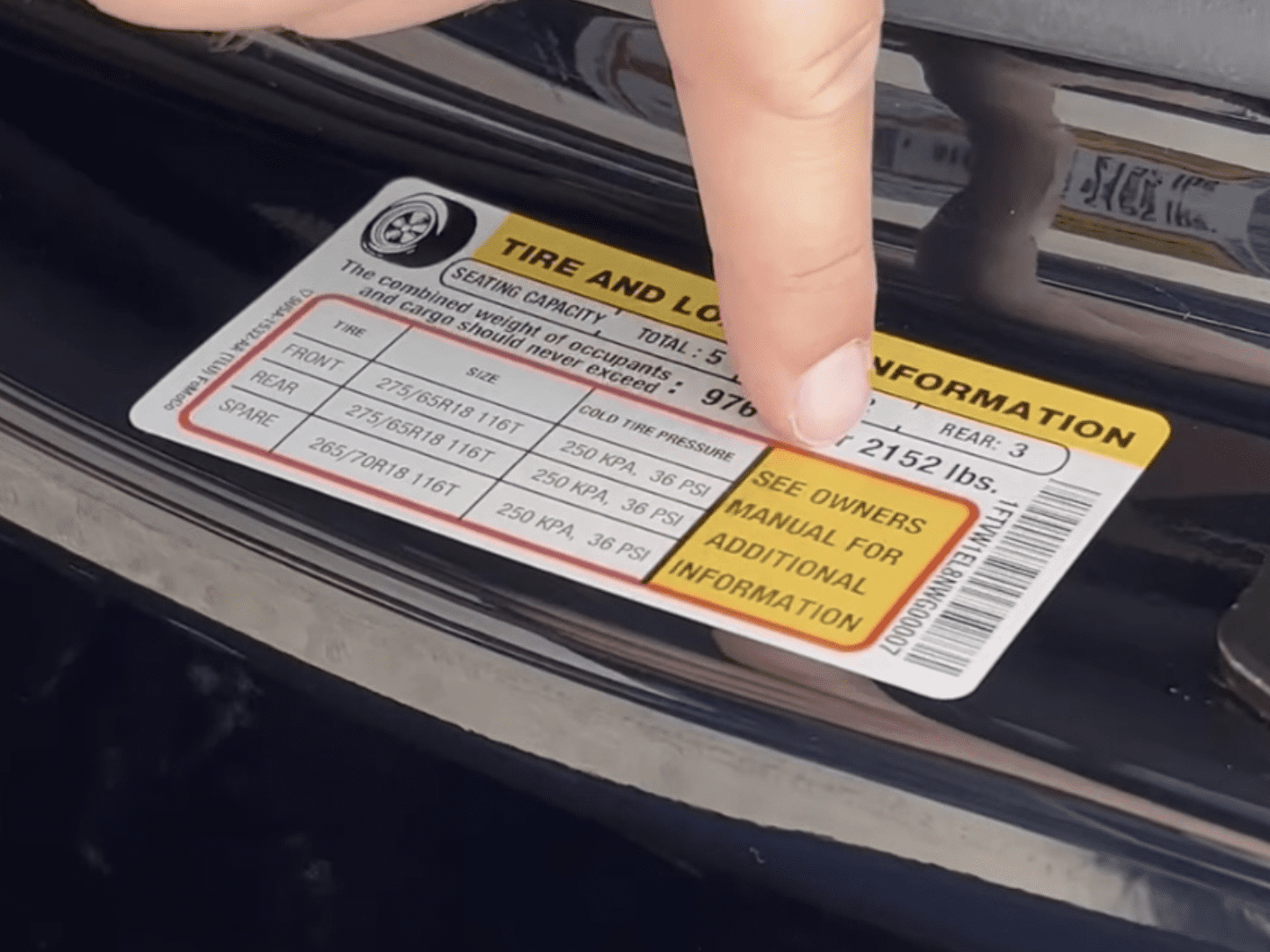
The first step to determining if your auto qualifies as a Section 179 deduction vehicle is to check its GVWR – Gross Vehicle Weight Rating. The manufacturer provides this figure. The GVWR indicates the weight your vehicle can safely transport. It includes the vehicle’s weight, passengers, fuel, cargo, and other accessories.
You can find the GVWR on the manufacturer’s label. Often, this label is found on the inside of the driver’s side door. It may be either a sticker or a thin metal placard.
It is important to note that equipment and options can affect the GVWR, which may keep a vehicle from qualifying for a Section 179 tax deduction. Look closely at the manufacturer’s label to identify the category your Section 179 deduction vehicle falls into!
Section 179 vehicles and personal use
The full Section 179 tax deduction can only be taken for cars used 100% of the time for business purposes. However, if you use a vehicle that would otherwise qualify partially for personal use, there’s still hope! As long as the vehicle is operated MORE THAN 50% for business use, a partial Section 179 tax deduction may be secured.
To clarify, consider Hank’s situation below:
- Hank bought a used $15,000 hatchback sedan on Aug. 3 of this year.
- He immediately put the vehicle into use the next day.
- He uses the vehicle to transport wedding cakes for his bakery two-thirds (more than 50%) of the time but also uses this vehicle to drop off his kids at school, run life errands, and take the occasional road trip.
- The car has a GVWR of 3,000 pounds
Hank can take a partial Section 179 tax deduction. Since his vehicle is used 66% for business purposes, his deduction will be limited. The light vehicle cap is $12,200, and he can take advantage of 66% of that amount – or $8,052.
In total, Hank can reduce his business’ tax burden by deducting $8,052 of his $15,000 light hatchback sedan purchase in its first year.
Section 179 vs Bonus Depreciation for Vehicles
If your vehicle meets the requirements, a Section 179 tax deduction is an opportunity to reduce your tax burden. However, there are a few added limitations and rules to consider.
How bonus depreciation plays a role
Bonus Depreciation can be used alongside the Section 179 tax deduction – sometimes. However, the two tax incentives are not the same. It can be easy to confuse Bonus Depreciation with a Section 179 tax deduction. That is because both offer similar benefits and can sometimes be used together.
Among their differences, as of the passing of the One Big Beautiful Bill Act in 2025, bonus depreciation allows you to deduct 100% of the cost of eligible assets and property you have purchased. In contrast, Section 179 lets you deduct a set dollar amount of newly acquired business assets. New to YOU counts, even if the asset itself is used. Furthermore, bonus depreciation can be used even if your business is not profitable. Section 179 tax deductions require your company to be in the black.
NOTE: If a taxpayer uses either Section 179 expensing or Bonus Depreciation, the standard mileage rates cannot be used for ANY periods after the year that depreciation is taken. Actual auto expenses (fuel, tires, repairs, etc.) must be tracked going forward.
Other Section 179 vehicle deduction considerations
Size, style, and seating matter
- A caveat on SUVs – SUVs and crossovers with a GVWR above 6,000 lbs are capped at $31,300 if a Section 179 tax deduction is taken. In contrast, bonus depreciation is 100% in 2026.
- Double-check Your GVWR – Model is important. For example, a crew-cab version of one vehicle may meet the Heavy GVWR requirement, while the extended cab version of the same model does not, placing it in the Light category. Upgrading to the Heavy model may offer the advantage of larger first-year tax deductions for the vehicle.
- Luxury Limitations – The IRS has imposed limits to discourage using Section 179 vehicles to depreciate high-value autos. Luxury vehicles are capped at $20,200 of depreciation in the first year and $12,200 if bonus depreciation is not taken due to luxury auto limitations.
Frequently Asked Questions
What vehicles qualify for the Section 179 deduction in 2026? Qualifying vehicles include passenger cars, heavy SUVs, trucks, vans, and other vehicles purchased and put into use in the same year. To qualify, the vehicle must be used more than 50% of the time for business purposes.
How much can I deduct for a vehicle under 6,000 lbs? For light vehicles (most passenger vehicles) under 6,000 lbs GVWR, the 2026 Section 179 deduction limit is $12,200. When combined with $8,000 in bonus depreciation, you can deduct a maximum of $20,200 in the first year.
Can I claim Section 179 if I use my vehicle for personal reasons? Yes, as long as the vehicle is used more than 50% for business. However, your deduction will be prorated based on the percentage of business use. For example, if you use the vehicle 70% for business, you can only claim 70% of the applicable deduction limit.
Where can I find my vehicle’s GVWR? You can find the Gross Vehicle Weight Rating (GVWR) on the manufacturer’s label. This is typically located on the inside of the driver’s side door as a sticker or thin metal placard.
Get help with Section 179 vehicles
Need help understanding if you can claim a Section 179 tax deduction? Block Advisors can help. When it comes time to file your business taxes, Block Advisors’ friendly certified small business tax pros can help you make the most of a Section 179 tax deduction.
Connect with a Block Advisors tax pro.

This article is for informational purposes only. The content may not constitute the most up-to-date information and should not be construed as legal advice.